Cruising through Japan and South Korea for 12 days on the Celebrity Millennium was an incredible way to explore the country without the stress of constant travel and packing. The ship made it easy to visit multiple ports while enjoying the comfort of a floating hotel. As a solo traveler, it was a unique experience and I stayed busy with daily excursions and evenings full of entertainment, making it truly worthwhile. Here’s a highlight of each day from my unforgettable cruise and life at sea.
Hakone and Mt. Fuji (Shimizu), Japan
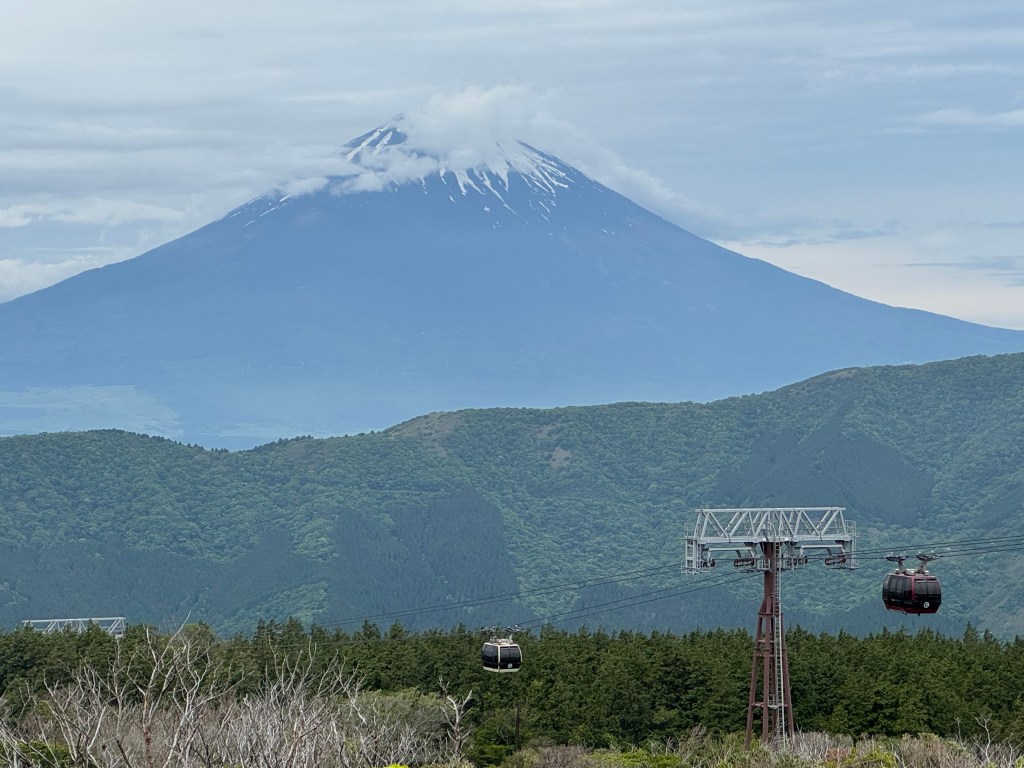
Early in the morning, as our cruise ship sailed along the coast, we were lucky enough to catch a breathtaking view of Mt. Fuji—majestic and clear against the sky, a rare sight since it’s often hidden by clouds. It felt like a good omen for the day ahead. I joined a group excursion to Hakone, where we took the ropeway up the mountains for even more spectacular views of Mt. Fuji and the famous Owakudani hot spring area. The smell of sulfur—like rotten eggs—filled the air, and thick steam poured out from the volcanic vents. We also saw the iconic black eggs, a local specialty said to add years to your life. The ropeway ride was a highlight, gliding over treetops with sweeping views of the mountain and serene Lake Ashi. We then visited the beautiful Hakone Shrine, with its striking red torii gates, including one set right in the lake, though the line for photos was massive. By then, I was starving and devoured a hot bowl of local udon soup—it was flavorful, comforting, and just what I needed after a light breakfast. Although the trip to Hakone was about two hours each way, making it a tight schedule, the chance to see Mt. Fuji so clearly and explore this stunning area made it more than worth it.
Osaka, Japan
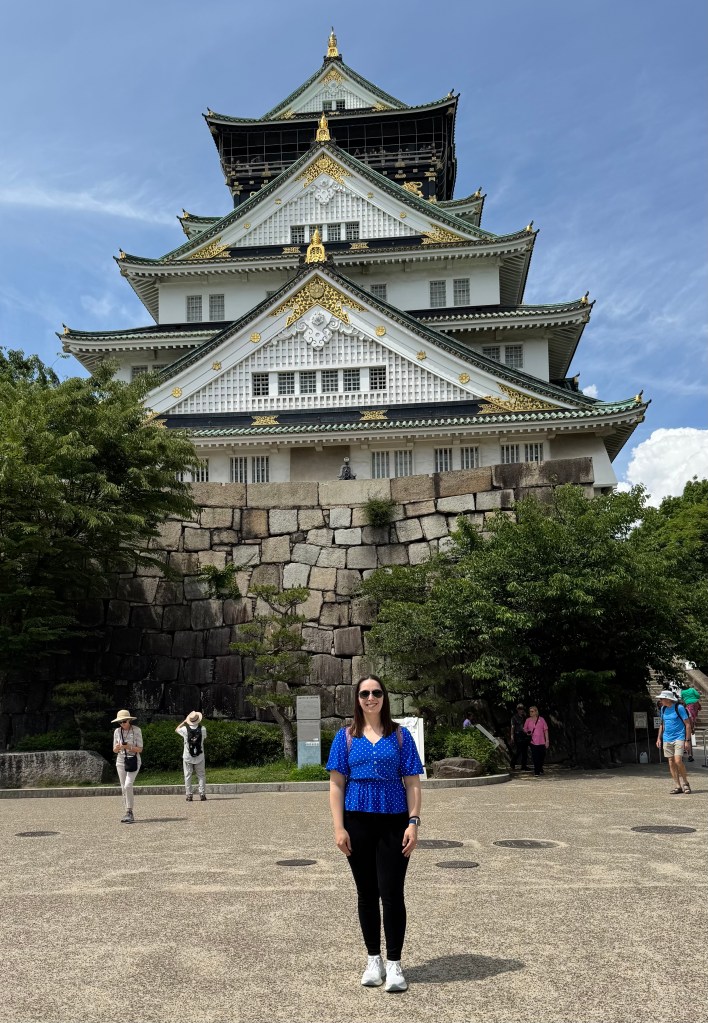
Today in Osaka was a vibrant mix of culture, food, and fun. I began the day with a relaxed morning on the ship, enjoying a light and healthy breakfast followed by lunch. I sipped Japanese tea and attended a fascinating lecture about Yokai, the mysterious creatures from Japanese folklore. In the afternoon, I disembarked and headed straight to Osaka Castle. The castle was absolutely magnificent—an iconic structure surrounded by the old city walls. What surprised me most was the contrast inside: while the exterior looked regal and historical, the interior had been completely modernized with an elevator and a museum. I had expected some of the original interiors to be preserved, but the panoramic views from the top made up for it, offering an incredible look over the city.
Next, I went to the lively Dotonbori district, which was so much fun to explore. There’s a big canal lined with neon signs and shops, and although it’s definitely touristy, it wasn’t too crowded in the afternoon. I snapped a classic photo in front of the Glico sign and browsed through the always-entertaining Don Quijote store, then wandered into the huge Bic Camera store to check out the latest tech. I treated myself to a refreshing matcha ice cream sandwiched in melon bread—an unexpectedly delicious snack while taking in the sights of Dotonbori.
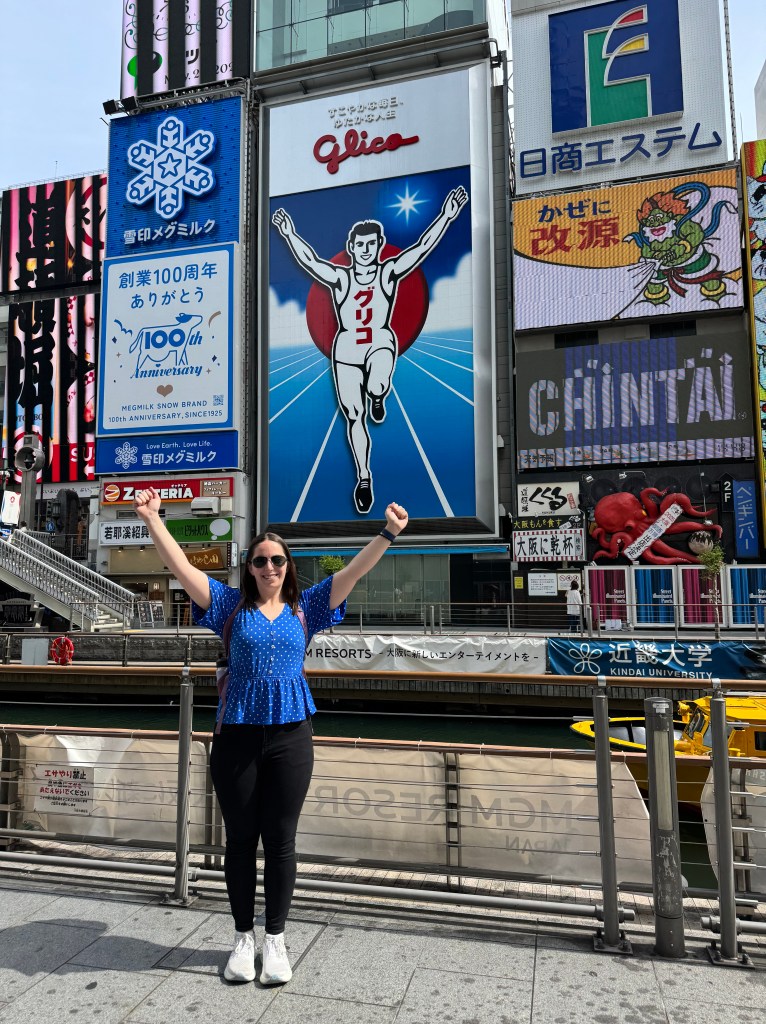
Later, I met up with my group for a night food walking tour—since we had an overnight in port, there was no curfew, which was perfect. We started in the Shinsekai area, saw the famous Tsutenkaku Tower, and tried Takoyaki, the delicious deep-fried octopus balls Osaka is known for. We continued on to a Kushikatsu restaurant, where we enjoyed skewered deep-fried meat and veggies, another local specialty. Afterward, we returned to Dotonbori to try Okonomiyaki, the savory Japanese pancake loaded with toppings. We sampled several Japanese drinks along the way, including Yuzu-Umeshu (a plum wine with citrus), Calpis Chu-Hi (a light, sweet cocktail), and classic Asahi beer. We revisited the Glico sign, which was much more crowded at night, so I didn’t stay long, but I made my way back toward the train station, doing a bit of shopping along the way. I returned to the ship feeling full, happy, and so glad to have spent the day exploring Osaka both solo and with a great group of people.
Kyoto, Japan
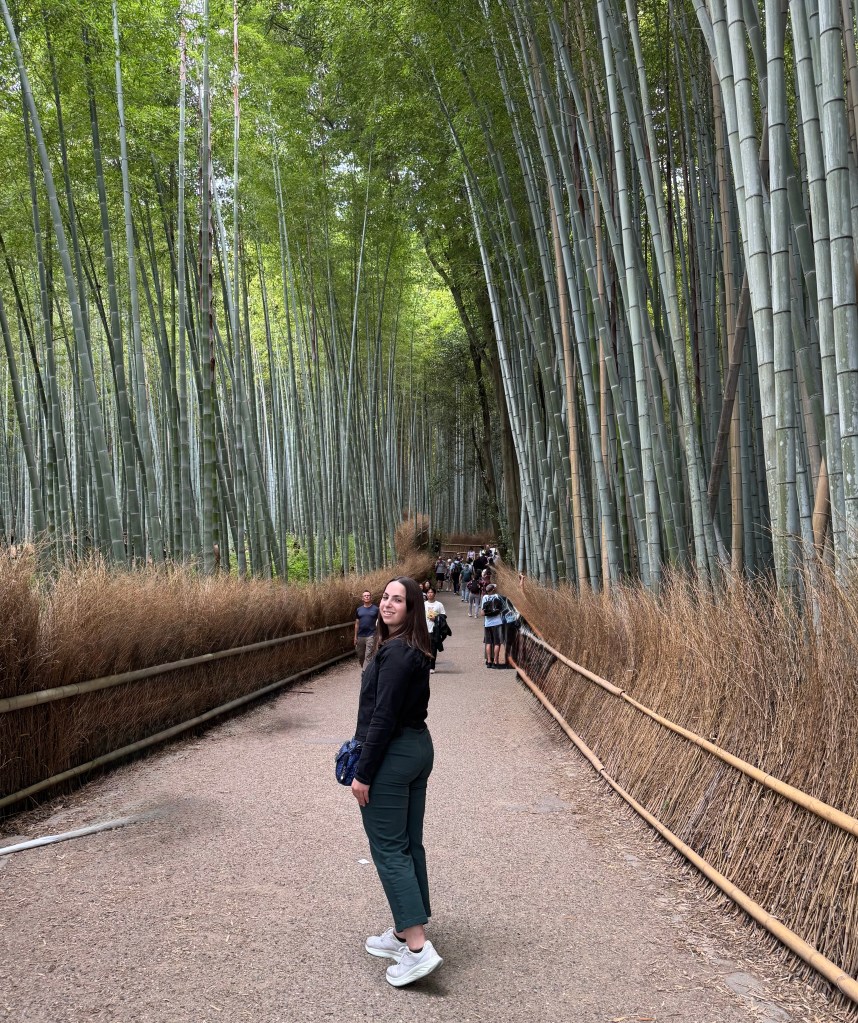
On the second day of our overnight in Osaka, I joined the cruise line’s excursion to Kyoto—the old capital of Japan and about a 1.5-hour drive from the port. I chose the cruise line’s tour to make sure I got back on time and to make it easier to see more, since Kyoto’s main sights are spread out. We passed several World Heritage Sites in central Kyoto, including To-ji Temple, home to Japan’s tallest pagoda. Our next stop was the Kyoto Handicraft Center, where I picked up some beautifully made local souvenirs, including a set of sake glasses—perfect since I’ll be visiting a sake brewery tomorrow. We continued to Arashiyama, a charming but touristy area where I visited Tenryu-ji, one of Kyoto’s 17 World Heritage Sites, and walked through the stunning Bamboo Forest. It was definitely Instagram-worthy, and I learned that bamboo can grow a meter in just two months! I had a delicious lunch of soba and tempura and tried mitarashi dango—sweet Japanese rice dumplings coated in a soy-sugar syrup, which are a specialty of Kyoto.

Our final major stop was the Golden Pavilion (Kinkaku-ji), a breathtaking temple covered in gold leaf and reflected beautifully in the surrounding lake. Despite the crowds, it was absolutely worth seeing. On the way back to the ship, we passed the Nintendo headquarters—an unexpected but fun sight to end the day.
Kochi, Japan
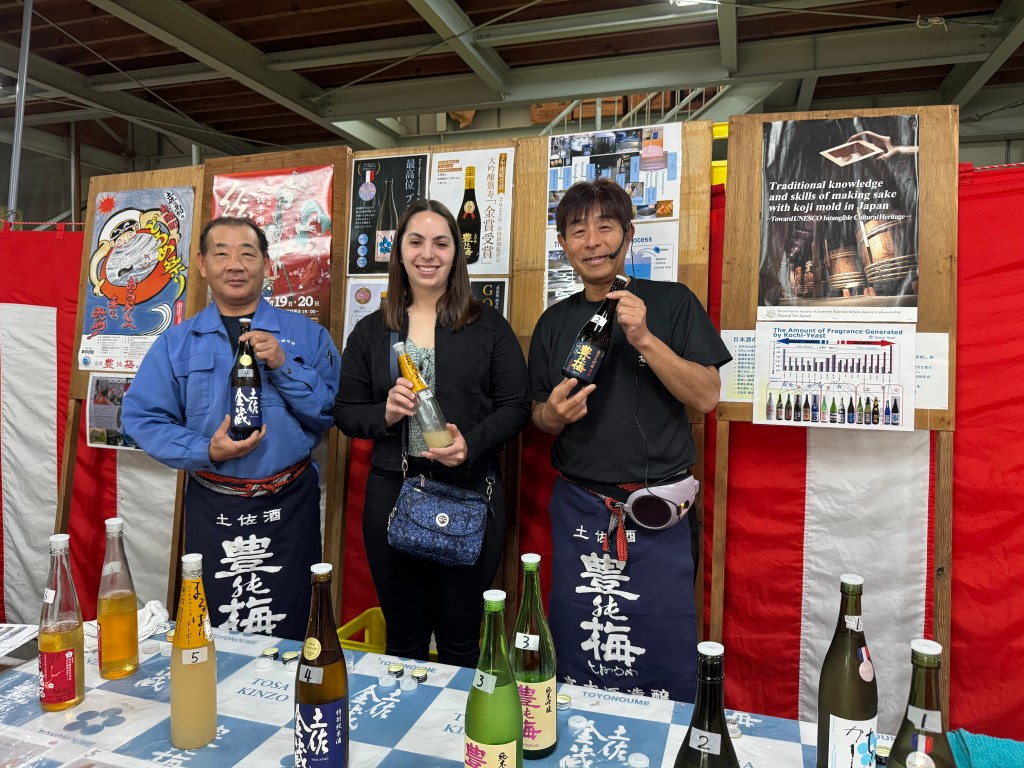
Visiting Kochi, Japan was a refreshing escape from the hustle and bustle of the bigger cities, bringing us to a quiet port on a small southern island rich in nature and tradition. Known for receiving the most rainfall in Japan, Kochi is lush and green, with scenic mountains providing a beautiful change of scenery. Since the port is quite a distance from the main attractions, I joined another cruise excursion that began at the charming, sixth-generation Takagi Sake Brewery. This small-scale, award-winning brewery not only produces sake for festivals across Japan but also offered us an in-depth look at the history and process of sake-making. I sampled six different varieties—including a delicious plum wine and a dry sake perfect for pairing with fish, which I picked up to bring home—and even got a photo with the brewmasters!

We then visited Kochi Castle, one of the few original castles remaining from the Samurai era. Nestled in a forested hill, the approach offered a stunning view of the tower peeking through the trees. Inside, we removed our shoes and climbed the steep wooden stairs to explore the well-preserved interior and enjoy panoramic views from the top. Our final stop was Katsurahama Park & Beach, a picturesque spot with a shrine, shops, restaurants, and a dramatic view of the ocean (though not swimmable). From there, we could see our cruise ship in the distance and visited the statue of Ryoma Sakamoto, a local samurai hero. It was a perfect half-day tour that gave us a truly authentic experience away from the usual tourist crowds, made even more special by our guide who shared her deep love for her hometown—and even her wedding photos!
Hiroshima & Miyajima, Japan

During my visit to Hiroshima, one of the ports I was most excited for on our cruise, I joined another group tour excursion offered through the cruise line. With Hiroshima’s deep history surrounding the atomic bombing and the iconic red floating torii gate, I knew it would be a memorable stop. We began our day with a visit to Miyajima Island, home to the world heritage site Itsukushima Shrine. Traveling there by a small ferry boat, I loved being on a more intimate vessel and watching the famous red torii gate come into view from the water—it truly looked like it was floating at high tide. Though it was crowded with tourists and locals on a Saturday, we walked along the coastline and enjoyed seeing the island’s wild deer population, which were both amusing and slightly aggressive as they scavenged for scraps. I managed to capture some great photos of them, which was especially exciting since I didn’t get to visit the deer in Nara. Along the way, I noticed shops everywhere selling the island’s famous maple leaf-shaped cakes, known as momiji manju. I tried a few different kinds but really enjoyed the custard-filled flavor the most—it was sweet, creamy, and a perfect little treat while exploring. After taking in the scenic views, I explored the local shopping street where I sampled grilled and fried oysters—Hiroshima’s specialty and a must-try while in the region. They were incredibly fresh and flavorful. I also tried a Miyajima croquette stuffed with beef and potato, and even lemon beer made from locally grown lemons.
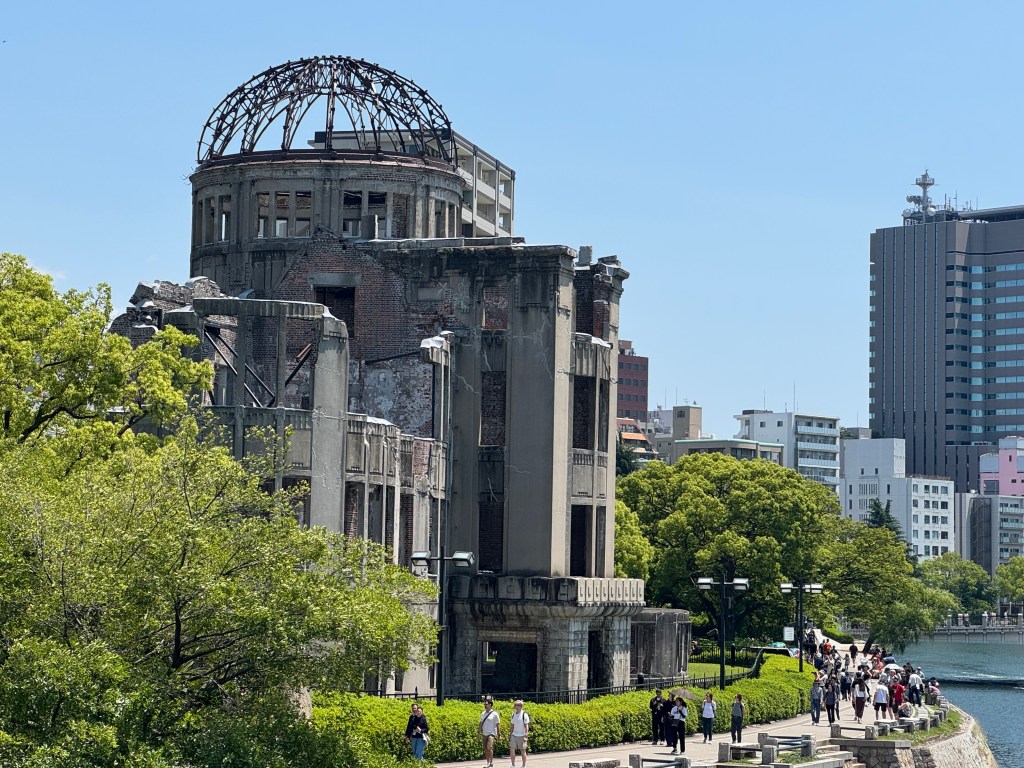
Later, we took the ferry back to the mainland and headed downtown to the Peace Memorial Park, where we visited the haunting yet powerful A-Bomb Dome—still standing just 150 meters from the bomb’s hypocenter. Our guide gave an insightful overview of Hiroshima’s history, including the touching story behind the Children’s Peace Monument, dedicated to a young girl who survived the bombing but later developed leukemia. She began folding 1,000 paper cranes in hopes of healing, inspired by the legend that it would grant a wish. Sadly, she passed away, but her story lives on, and today people from all over the world bring cranes to the monument in her honor. We then walked through the arch-shaped Cenotaph, where you can see a straight line of sight to all the memorials—including the Flame of Peace, which will burn continuously until all nuclear weapons are eradicated. The final part of our visit was to the Peace Memorial Museum, which displayed artifacts, photographs, and testimonies from the bombing. It was emotional and heavy, offering a deeper look at the devastation caused and how it still resonates today. What struck me most was learning how Hiroshima has not only rebuilt but now stands as a city of peace, proudly sharing its culture and history with the world in hopes of preventing such a tragedy from ever happening again. It was a powerful and unforgettable experience.
Kagoshima, Japan
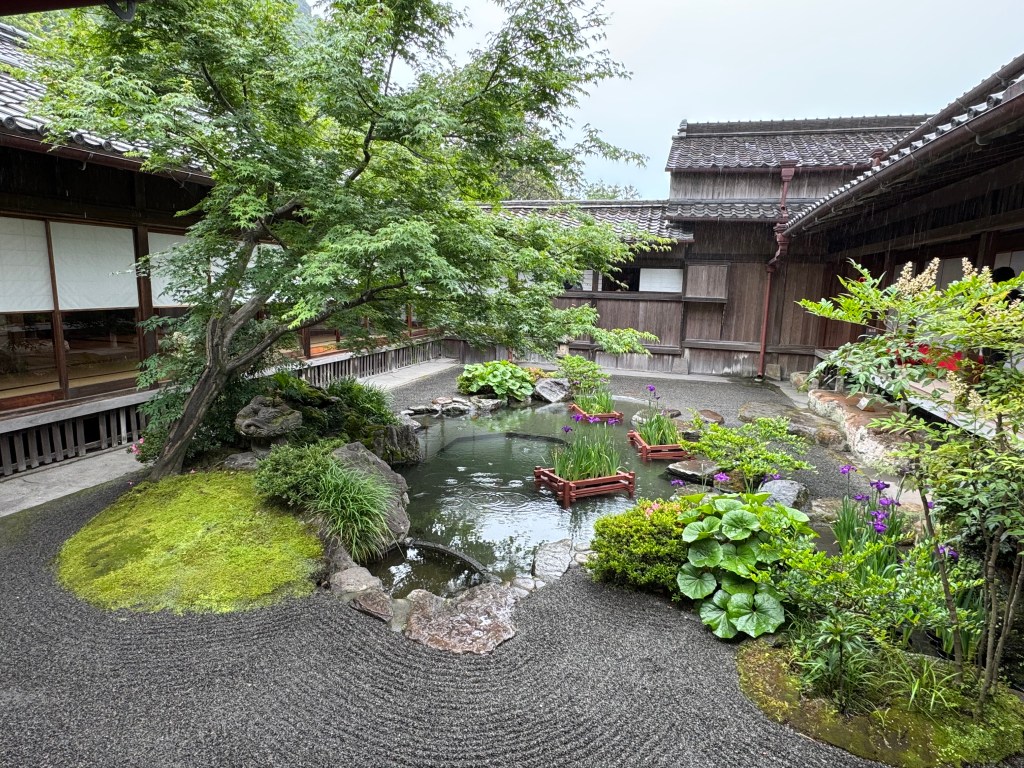
I explored Kagoshima on my own, starting with a visit to Sengan-en Garden, just a short taxi ride from the main port. This beautifully preserved estate, a UNESCO World Heritage site, was once the home of the powerful Shimadzu family, who ruled the Satsuma domain for centuries. I toured the historic residence, which felt incredibly authentic — a traditional Japanese home with a stunning garden at its center, giving a true sense of how life once was. Walking the grounds, I discovered the quirky cat shrine, dotted with cat statues, and browsed various local shops. I sampled shōchū, the region’s strong sweet potato-based liquor — though interesting, I still prefer sake. I also tried Kagoshima’s mulberry tea, a unique local product, and brought some home as a souvenir. Despite the heavy rain, which unfortunately obscured Sakurajima, the active volcano visible from the city, I enjoyed the full Sengan-en experience, including a museum that detailed its fascinating history.
Back in town, I wandered Kagoshima’s urban streets — it has a lively vibe but is smaller and more relaxed compared to cities like Osaka or Tokyo. I explored the covered shopping arcade before tracking down a tonkatsu spot I’d found on TripAdvisor. Aji no Tonkatsu Maruichi was hidden in the basement of an office building and tough to locate, but totally worth it. The cozy restaurant had both counter seating and low tables, and the chef prepared each cutlet fresh to order. I had the lunch special with green tea, miso soup, and rice — hands down one of the best meals of the trip. The chef even came over to explain the dish in English and helped me with the tonkatsu sauce and mustard. I can see why locals say it’s the best in the city. It’s these off-the-beaten-path experiences that make traveling so rewarding.

Nagasaki, Japan
I embarked on a solo adventure of Nagasaki starting early at the Atomic Bomb Museum right when it opened—no crowds at all, which meant I could really take in the exhibits with an audio guide. The museum covered familiar themes like Hiroshima’s: life before the bomb, the devastation, the history of atomic weapons, and the city’s remarkable recovery. The core message of peace and nuclear disarmament was deeply powerful and moving. I especially appreciated the building’s open, airy design, which felt more spacious than Hiroshima’s museum, though the artifacts and exhibits were similarly impactful.
Afterward, I visited the National Peace Memorial Hall for Atomic Bomb Victims, featuring a stunning water display and an underground monument with 12 pillars symbolizing those who lost their lives. It was a deeply emotional experience. Then, I walked to the Hypocenter, marked by a statue and one pillar of a cathedral that survived the blast. Nearby was the Fountain of Peace, shaped like a crane, through which you can see the Peace Statue—one hand stretched out representing the atomic bomb, the other raised toward the sky symbolizing peace.
I also visited the famous “One-Legged Torii Gate,” where only one pillar remains standing after the bomb destroyed the other 800 meters away. It’s strikingly isolated in the middle of the city, a poignant reminder amidst the urban surroundings.
Later, I explored Nagasaki’s small but charming Chinatown, with its bright red gates. For lunch, I tried Kairakuen, reputed to have the best Champon in town—a creamy noodle dish with beef and seafood, somewhat like a richer ramen or udon. I also had their mapo tofu, which was surprisingly mild and sweet rather than spicy, and a refreshing lemon sour beer. Despite ordering way too much, every bite was delicious! I wandered around Chinatown’s narrow streets and sampled a local dessert called Castella, a Portuguese-inspired sponge cake. I had it as a sandwich with ice cream in the middle—so tasty!
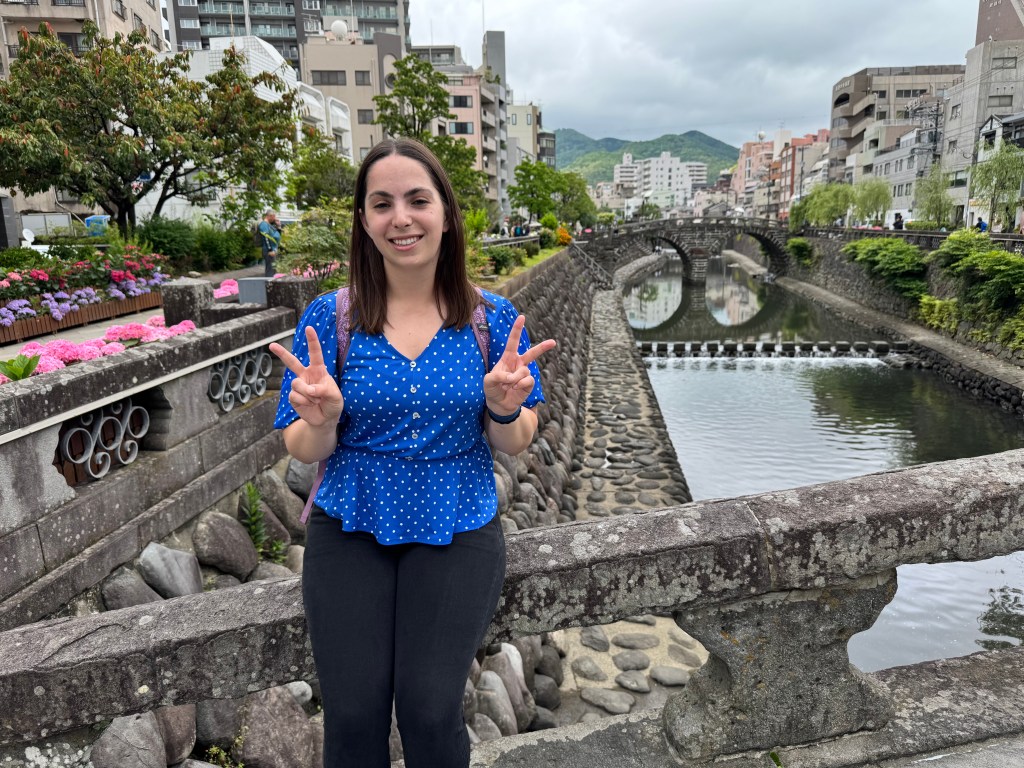
Nagasaki reminded me a bit of San Francisco with its hilly streets and cable cars, along with a strong European influence that made the city fascinating. I then strolled to the Meganebashi (Spectacles Bridge), famous for its twin arches reflected in the canal, lined with blooming flowers—a truly picturesque sight.
Next, I hopped on the streetcar to Glover Garden, a beautiful hillside park with Western-style homes dating back to the late 19th century, built for foreign merchants and diplomats. It was near the cruise ship, and I could see the ship from the garden’s overlook, which was a cool perspective. The garden was bursting with spring flowers, and I was glad it was sunny by then after a rainy morning.
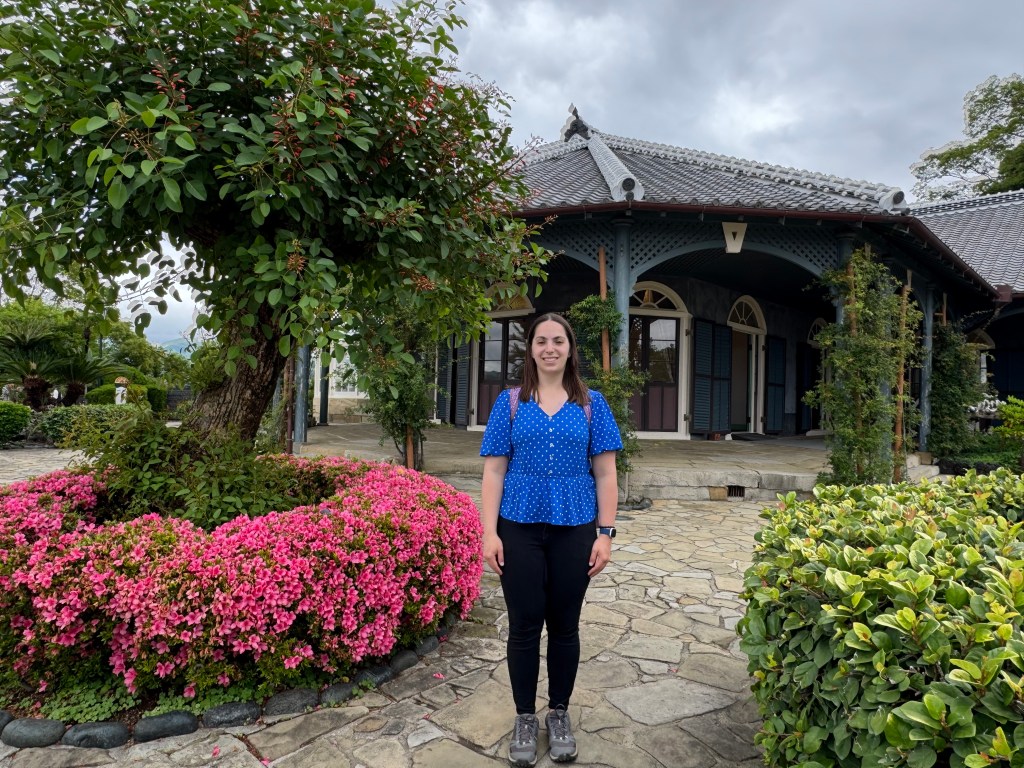
Before heading back to the ship, I did a little shopping on the nearby streets. As we sailed away, a local high school band played on the dock—it was a fun and lively farewell. I think Nagasaki might be my favorite port so far; I’m amazed at how much the city has rebuilt after being completely destroyed in the bombing. The people here seem proud and resilient, and there’s so much history and beauty packed into this vibrant port city. I’d love to come back someday!
Fukuoka, Japan
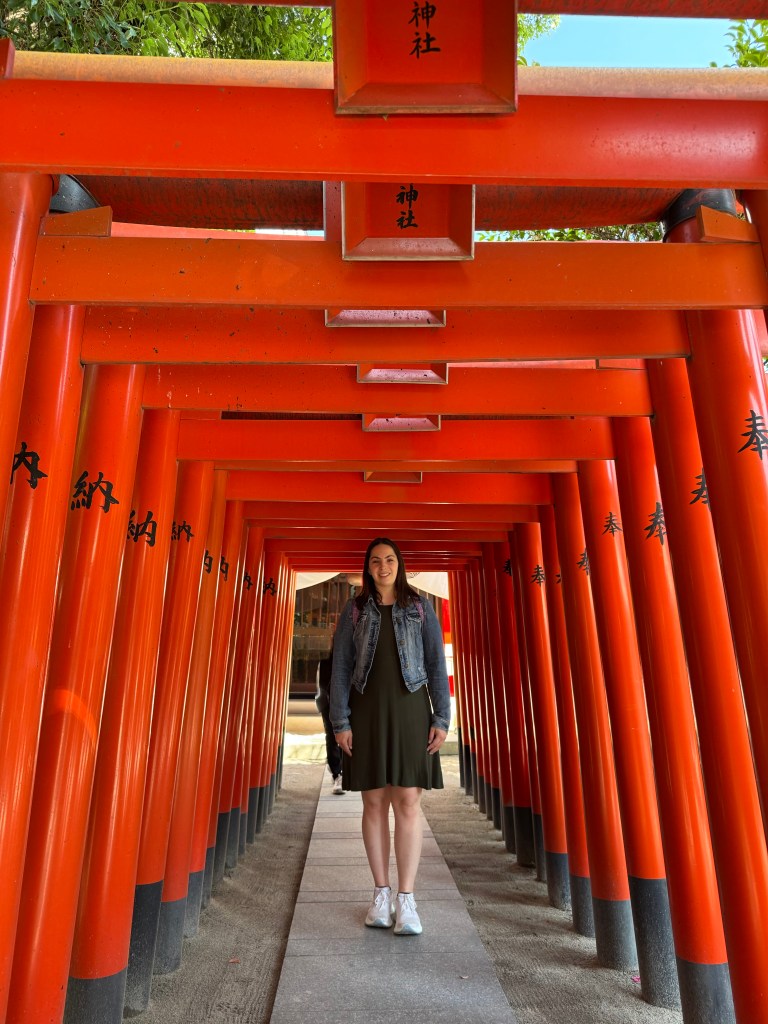
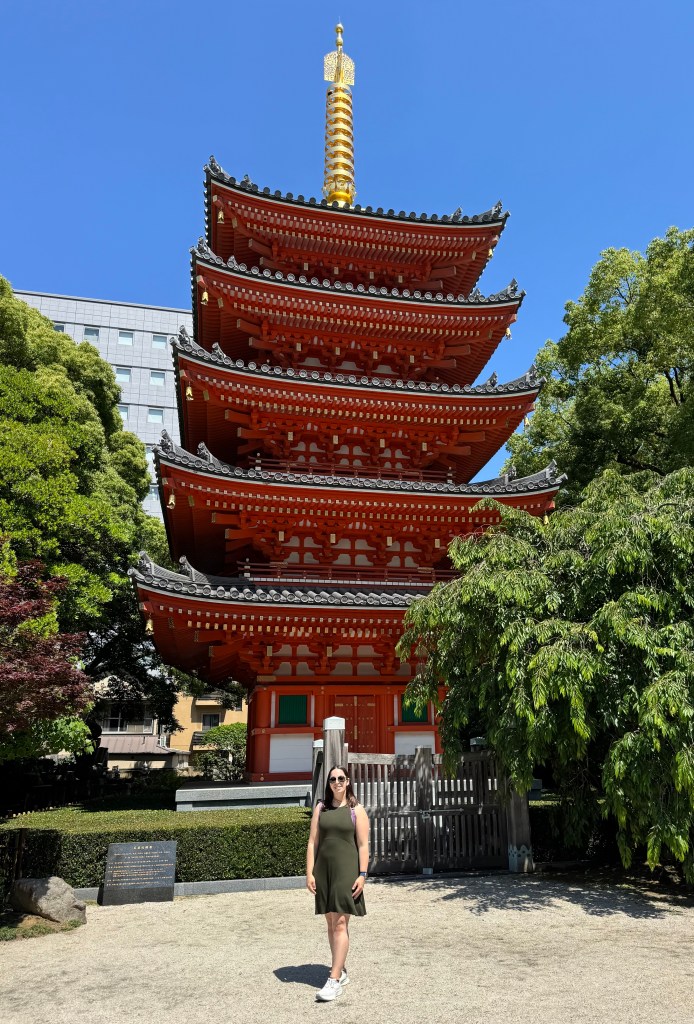
Today was my last day in Japan, and I felt genuinely sad to leave because I’ve had such an incredible time here. I spent the day exploring Fukuoka on my own, starting at Kushida Shrine, a historic Shinto site founded in 757 and dedicated to the city’s guardian deity. It’s especially famous for its role in the Hakata Gion Yamakasa festival and features striking red torii gates lined up in a row—perfect for a photo, especially since I missed this shot in Kyoto. Next, I visited Tochoji Temple, established in 806 by the monk Kukai. It’s known for its stunning five-story pagoda and an enormous seated wooden Buddha—the largest of its kind in Japan. After that, I walked to Shofuku-ji Temple, the first Zen temple in Japan, built in 1195 by Eisai, who brought Zen Buddhism over from China. The Zen garden there was so peaceful and beautifully maintained. What really stood out today was how ornate and well-preserved the temples and shrines were compared to those in Tokyo—many of them either survived WWII or were carefully restored—and the lack of crowds made the experience even more special.
For lunch, I had to try Fukuoka’s famous Tonkotsu ramen at the original Ichiran. Even though it’s a chain, dining at the original location felt like a must—it exceeded expectations, especially paired with a cold local beer. The solo booth setup, vending machine ordering, and no interaction with staff was such a classic, quirky Japanese experience. Afterward, I explored Canal City, a massive multi-level shopping mall with hourly water shows—today’s was synced to the Mission Impossible theme since the new movie just came out, which was awesome. I popped into the Disney Store to grab some Stitch merch ahead of the upcoming movie release, then took my final metro ride to the Tenjin underground mall—a huge network of shops and eateries spread beneath the streets. I found a cute vending machine-run ice cream shop that served creamy matcha-dusted soft serve—absolutely delicious. To use up the last of my yen, I went to 7-Eleven for my favorite onigiri but was exactly one yen short—luckily, someone kindly lent me the last coin I needed. It was such a fun, memorable travel moment. After two amazing weeks in Japan, I can’t say enough how much I’ve loved this country—the people, the culture, the food. I truly hope to return someday soon.

Busan, South Korea
I had an excellent introduction to Busan, South Korea’s vibrant coastal city and the final port on my cruise. As the country’s second most populous city, Busan is large and spread out, so I joined a ship excursion to make the most of my visit—especially helpful given the language barrier, since I don’t speak any Korean. Our first stop was Haedong Yonggungsa Temple, a stunning seaside temple originally built in 1376 during the Goryeo Dynasty by the great Buddhist teacher Naong. Unlike many temples that are tucked into mountains, this one is dramatically perched along the rocky coastline, offering breathtaking views. It’s often called the most beautiful temple in Korea, and I could see why—the colorful buildings were adorned with intricate details, lanterns hung overhead, and prayer cards swayed gently in the sea breeze. I wandered the grounds, taking in every angle, but the best view was from the rocks near the sea where the full temple came into sight—so different from the more subdued temples I saw in Japan. I also saw a massive reclining Buddha tucked away behind the main complex.

Afterward, we visited Gamcheon Culture Village, a hillside neighborhood originally developed as low-cost housing for refugees after the Korean War. Over time, it’s transformed into a vibrant arts district full of brightly painted homes, murals, and installations. We explored the Main Street, which had fantastic views of the colorful village and the sea below, along with quirky shops and street food. I tried an amazing marshmallow-covered ice cream stick that was torched right in front of me, and the famous Gamcheon Salt Bread—a buttery, salty croissant-like pastry from a well-known bakery. For lunch, we had traditional Korean BBQ where we grilled thick slices of pork at the table, surrounded by a variety of sides like different types of kimchi, tofu soup, green onion salad, and sauces to mix and match. It was a totally different experience from Japanese BBQ, and I was surprised how much I enjoyed the spicy kimchi, especially since spice was hard to find in Japan.
After lunch, we visited the bustling Gukje Market, a maze of alleys packed with everything from fresh food to clothing and souvenirs—it was overwhelming but exciting. We ended the day at Jagalchi Fish Market, Korea’s largest seafood market, where tanks teemed with live fish and shellfish, ready to be chosen and cooked fresh. I didn’t have time to eat there, but it was fascinating to see. Busan completely exceeded my expectations, and though one day barely scratches the surface, it was the perfect start to discovering this dynamic city.

Cruise Life at Sea
I took a 12-night cruise through Japan and South Korea aboard the Celebrity Millennium, which was not only my first time sailing with Celebrity but also my first time cruising solo. I was a bit nervous at first, unsure if I’d feel lonely, but that couldn’t have been further from the truth. I met so many wonderful people from all over the world, and the crew made the experience even more special with their warm, friendly attitude—some even remembered my name, which really made me feel at home. When I wasn’t out exploring the incredible ports, I enjoyed a variety of onboard activities like pickleball, archery, trivia, and fantastic nightly shows featuring a different entertainer each evening. The food was a true highlight, with an incredible range of options—from specialty dining to the main restaurant, pool grill, and buffets offering international cuisine.
What really stood out to me on this cruise was the thoughtful integration of Japanese and South Korean culture onboard. There were Japanese-inspired cocktails, matcha drinks, and dishes in the restaurants that made it feel like the immersion continued even while at sea. I even got to try sushi rolling, participate in a traditional tea ceremony, attend lectures on Japanese culture, and try my hand at calligraphy and origami. I chose to do about half of my excursions through Celebrity, which was especially helpful for locations that would have been hard to reach or coordinate on my own given the tight timing of the ship’s schedule—it gave me peace of mind and was so worth it. The other half of the time, I explored independently, which gave me a great sense of freedom and allowed me to go at my own pace. Cruising was such a great way to experience this part of the world—I was able to sample so many different places and cultures, and visit ports I likely would have never been able to reach on my own. It was an unforgettable experience that blended the comfort and fun of cruising with the richness and depth of the destinations we explored.
I’d highly recommend a cruise to anyone wanting to explore Japan and South Korea in depth—it’s an incredible way to see a variety of destinations while truly immersing yourself in the local culture along the way.


Leave a comment